
Gum Disease Treatment Plano
Renew & Preserve Your Gum Health
“Periodontal disease,” better known as gum disease, might be an unfamiliar term, but it is actually one of the most common dental problems in the entire world! And sadly, without timely treatment, it can cause devastating damage to your oral health and even endanger your overall wellness. At Legacy Trails Dental of Plano, we take the health of your gums very seriously, which is why we will screen them during all of your routine appointments. Should you show any signs of gum disease, we can quickly and effectively treat you using the therapies outlined on this page. Contact us today to learn more or request an appointment.
Why Choose Legacy Trails Dental of Plano for Gum Disease Treatment?
- Advanced Laser Technology for Comfortable & Effective Care
- Experienced and Caring Dentists and Support Staff
- Dental Insurance Welcomed & Maximized
What Is Gum Disease?

Gum disease is a bacterial infection of the pink tissue that surrounds the base of the teeth. In its early stages, it is known as gingivitis. As it progresses and starts to cause permanent damage to the gums and underlying bone structure, it turns into periodontitis. Often, gum disease is the result of missteps in oral hygiene.
Gum disease is a leading cause of tooth loss among adults in the U.S. It is also associated with numerous systemic health conditions, including heart attack, high blood pressure, stroke, and Alzheimer’s.
Symptoms of Gum Disease

Gingivitis can start out subtly. Often, it causes the following symptoms:
- Chronic bad breath (halitosis) that does not go away despite the use of mints, gum, or other breath-freshening methods.
- Red or swollen gums that are tender to the touch.
- Gums that bleed easily when you brush or floss.
- Mild gum recession (the gums pulling away from the roots of the teeth).
Periodontitis can cause all of the above-listed symptoms. It may also result in:
- Loose permanent teeth.
- Extreme sensitivity along the roots of the teeth.
- Changes in your bite, or changes in the fit of restorations, such as dentures.
- Tooth loss.
- Painful chewing.
How Do We Treat Gum Disease?

There are a few different ways to treat gum disease. The best approach for you will depend on the extent of your condition and other factors. Our team will perform a thorough examination before we propose a custom treatment plan. We might recommend one of the following services:
Scaling & Root Planing

These two treatments are sometimes collectively referred to as a “deep cleaning,” and they serve as our first line of defense against early-stage gum disease, better known as gingivitis. During the scaling portion, your dentist or hygienist will clear away all the plaque and tartar deposits located around your gumline, and then they will use root planing to gently smooth out the rough surfaces of your teeth’s roots (where gum disease bacteria tend to gather). This procedure will also help any infected gum tissue to properly heal and firmly reattach to your teeth.
Biolase® Soft Tissue Laser Dentistry
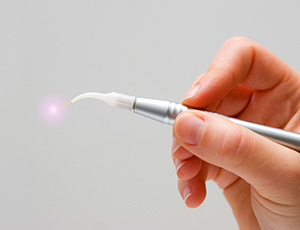
Thanks to our Biolase® Soft Tissue Laser, we are now able to treat gum disease even faster while protecting our patients from discomfort. This small device emits a highly-concentrated beam of light that can completely eliminate bacteria and even infected tissue in an instant. This tool is so precise that it leaves all of the surrounding healthy tissue untouched and sterilizes as it works, thereby reducing any bleeding or post-treatment pain/swelling that a patient might feel.
Gum Disease Treatment FAQs
How Long Does Gum Disease Treatment Take?
Individual gum disease appointments generally only take an hour or so. On a broader scale, though, actually getting rid of the disease could take a few weeks to several months, depending on the severity of your situation. Treating gingivitis usually lands closer to the two-week mark, while periodontitis is more complicated.
Thanks to our Biolase soft tissue laser, your recovery will likely be quicker than it would be with a traditional scalpel. But even after your gums are fully healed, you’ll have to maintain good oral hygiene habits in order to help prevent reinfection.
Is Gum Disease a Dental Emergency?
Yes! Gum disease is absolutely a dental emergency, even when it’s just in the early stages. Your mouth isn’t able to eliminate gum disease bacteria on its own, and you’ll need prompt intervention to prevent the issue from becoming worse. If you notice any of the symptoms mentioned above, call our office so we can check on your oral health.
What’s the Best Way to Prevent Gum Disease?
Since the most common cause of gum disease is poor oral hygiene, brushing and flossing your teeth is the best way to prevent it. Naturally, there’s an effective way to clean your pearly whites, and a not-so-effective way. Here’s what we recommend:
- Brush your teeth with a soft bristled toothbrush twice per day, for at least two minutes each session.
- Floss between your teeth once per day with traditional thread, a floss pick, or a water flosser.
- Rinse with an antibacterial mouthwash after cleanings to help ensure you get the harder-to-reach spaces.
- Attend professional checkup and cleaning appointments every six months.
It’s also a good idea to limit lifestyle risk factors when possible. Lean on your support systems and try to avoid tobacco products and heavy drinking, maintain a healthy and balanced diet, and manage any medical conditions.
How Much Does Gum Disease Treatment Cost?
The cost of gum disease treatment in Plano will ultimately depend on the severity of your case. You’ll be glad to know, though, that there are many ways to offset your expenses, including:
- Dental insurance. We’re in-network with the vast majority of PPO plans and also accept Medicaid. Most policies cover at least some of the costs associated with gum disease treatment.
- A CareCredit flexible financing plan will break your overall costs down into smaller monthly chunks. Since many of their plans have little-to-no interest, your payments will stay consistently low.
- Our In-House Membership Plan. In exchange for an annual fee, you can enroll in our membership plan and instantly receive discounts on our various services – like gum disease treatment.