
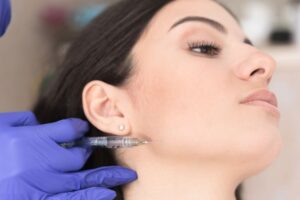
TMJ disorder (TMD) is a common condition that affects the temporomandibular joints (TMJs), which are also known as the jaw joints. Unfortunately, it can do more than cause jaw discomfort. In fact, TMD is a common cause of headaches! If you suffer from this issue, you might consider getting BOTOX® as a pain relief method. How can it work to help you reclaim your quality of life? This blog post explains.
How Does TMD Cause Headaches?
TMJ disorder places excess strain on the muscles that open and close your jaw. When those muscles stay tense for long periods, the discomfort can spread into your temples, cheeks, neck, and scalp. That chain reaction can create a dull ache, pressure behind the eyes, or pain that feels similar to a tension headache.
If you clench or grind your teeth, that can add to the problem because the stress on the jaw joints and surrounding muscles may become even more intense, which can make headaches more frequent and more severe.
How Can BOTOX Help?
BOTOX is best known for its cosmetic uses, but it also has some pretty amazing medical applications! It may be a great option for you if overactive, tense facial muscles are playing a major role in your TMD symptoms. BOTOX works by limiting the nerve signals that tell certain muscles to contract with too much force. In other words, it is a localized paralytic that limits muscle movements. As the targeted muscles relax, you may notice less pressure on your jaw joints and less tension in the areas that contribute to headache pain.
Many patients notice a significant reduction in the frequency and severity of their head pain within just a week or so of receiving BOTOX injections.
Pair BOTOX with Other Treatments for Lasting Relief
BOTOX is an effective pain relief method for individuals with TMD, but it usually is not a standalone treatment for the disorder because it does not address the root cause of the problem. Therefore, for many patients, the best results come from a combined approach.
While BOTOX reduces muscle tension, your dentist may also recommend that you wear an occlusal splint each night. This is a custom device that prevents teeth grinding and clenching. It also trains the lower jaw to rest in a position that protects the health of the jaw joints. Gentle stretches and exercises, a soft diet, and paying attention to your posture may also work to help optimize your results from TMJ treatment.
No one should have to suffer from TMD headaches! If you frequently experience this issue, talk to a qualified dental professional about your options.
Meet the Practice
Our Plano team is proud to be home of three highly skilled dentists. For example, Dr. Tatyana Romanoff is certified in both TMJ treatments and BOTOX administration. If you would like to speak to her about how you can find relief from your TMD symptoms, contact Legacy Trails Dental at 469-208-6017 to request an appointment.